Designing a workout routine that perfectly matches your personal needs and goals can be challenging. Traditional workout plans often follow broad guidelines, missing the personalised touch many of us desire.
Enter ChatGPT, OpenAI’s AI chatbot. It generates workout plans based on your prompts, drawing from extensive fitness knowledge to meet your unique needs.
While it can’t replace AI Fitness Apps or personalised advice from a certified personal trainer, ChatGPT can be a cost effective assistant in designing your own push/pull/legs workout plan. Let’s learn how… 👇
Benefits of Using ChatGPT for Workouts
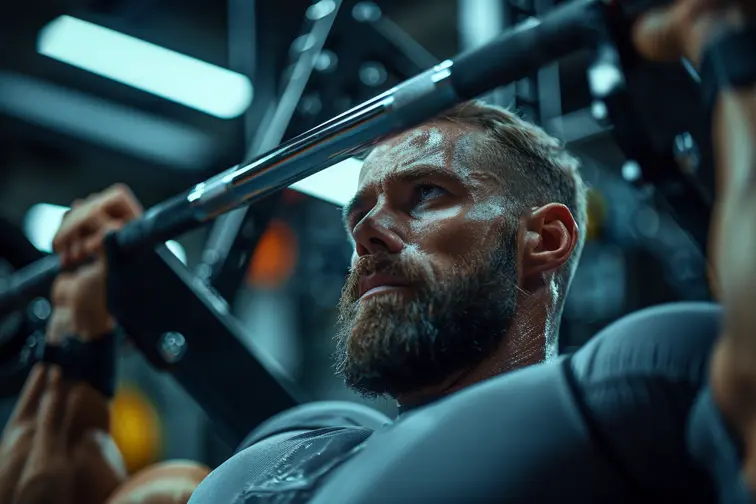
There are a number of benefits to using LLMs like ChatGPT for workouts and fitness plans.
- Generate Ideas: ChatGPT can tailor workouts to meet various fitness goals such as muscle building, weight loss, or endurance training. By leveraging a wide array of fitness data, it can provide diverse exercise options that align with your specific objectives, helping you stay motivated and on track.
- Exercise Variations: Whether you prefer working out at home or in a gym, ChatGPT can adapt plans to fit your available equipment and environment. It can suggest alternatives for exercises that require specialized equipment, ensuring you can follow a comprehensive workout plan regardless of where you are.
- Flexible Splits: One of the standout benefits of using ChatGPT for your workout planning is its ability to suggest different workout splits based on your schedule. Whether you can commit to a 3-day routine or a more intensive 5-day plan, ChatGPT can generate structured and balanced push/pull/legs routines that suit your time constraints, ensuring you get the most from AI in improving your fitness.
How to Make a Workout Plan With ChatGPT

Using ChatGPT to create a workout plan is straightforward and can be tailored to fit your specific fitness goals and constraints. Here’s a step-by-step guide to ensure you get the most effective and personalised workout plan from ChatGPT.
Step 1: Define Your Exercise Goal and Training Type
Pick the primary goal of your workout plan. This helps ChatGPT to focus on creating a plan that aligns with your objectives. Possible goals include:
-
Muscle Gain: Focus on hypertrophy and strength training.
-
Strength Increase: Emphasise heavier lifts with lower reps.
-
Weight Loss: Incorporate cardio and high-intensity interval training (HIIT).
-
Cardiovascular Improvement: Focus on endurance and cardio exercises.
-
General Fitness: A balanced mix of strength, cardio, and flexibility exercises.
If you know the style of training you want you’ll want to add that too, such as:
-
Push/Pull/Leg Day Split
-
German Volume
-
HIIT
Step 2: Add the Number of Training Days per Week
Pick how many days per week you can commit to training. This ensures the plan fits into your schedule and allows for adequate rest and recovery. Examples include:
-
3 Days: A balanced schedule that can include full-body workouts or split routines.
-
4 Days: Allows for more specialised split routines.
-
5-6 Days: Ideal for detailed split routines focusing on different muscle groups each day.
Step 3: Pick the Length of Each Training Session
Mention how long you want each workout session to be. Common session lengths are:
-
30 Minutes: Quick and intense workouts.
-
45 Minutes: Balanced sessions with a mix of exercises.
-
60 Minutes: Comprehensive workouts with ample time for warm-up, main exercises, and cool-down.
Step 4: Set the Duration of the Training Plan
Specify how many weeks you want the plan to last. Typical durations include:
-
4 Weeks: Short-term goals and quick results.
-
6-8 Weeks: Moderate-term plans for noticeable progress.
-
12 Weeks: Long-term plans for significant transformations.
Step 5: Describe Your Current Fitness Level
Provide details about your current fitness level. This helps tailor the intensity and complexity of the workouts. Levels include:
-
Beginner: New to exercise or returning after a long break.
-
Intermediate: Regularly active with some experience in exercise routines.
-
Advanced: High fitness level with extensive training experience.
Step 6: Provide Personal Details
Include your age, weight, and gender. These factors help in creating a more personalised and effective workout plan.
Step 7: Note Any Injuries or Limitations
Inform ChatGPT about any injuries, chronic conditions, or limitations. This helps it steer clear of exercises that might aggravate your condition. ChatGPT can’t examine an injury, though, so check anything injury-related with a physio or doctor.
Step 8: List the Equipment Available
Detail the equipment you have access to, such as:
-
Access to full Gym equipment
-
Bodyweight Only
Step 9: Decide on the Level of Detail
You can pick the level of detail you want in your workout plan. This can include:
-
Rest Time Between Sets
-
Exercise Descriptions
Step 10: Ask for the Format You Want
Older versions of ChatGPT would cut long answers short, and you had to coax it into continuing. That’s rarely a problem now, so use the end of your prompt to tell ChatGPT how to lay the plan out instead:
- “Lay out each day in a table with sets, reps and rest times.”
If you want extra detail, ask for one week at a time, and if it ever stops mid-plan, just type “continue”. You can also ask it to turn the finished plan into a spreadsheet you can download and log your weights in.
Push/Pull/Legs ChatGPT Prompt Template
The template below can be edited to your personal requirements, then pasted into ChatGPT to create your very own Push/Pull/Legs workout plan.
“Create a 4-day Push/Pull/Legs workout plan for an advanced-level individual aiming to increase muscle mass and improve cardiovascular fitness. The sessions should be 60 minutes long, and the plan should last for 6 weeks. The user is a 28-year-old male, weighs 75kg, has no injuries, and has access to a full range of gym equipment. Include rest times between sets, and lay out each day in a table.”
Push/Pull/Legs ChatGPT Workout Routine
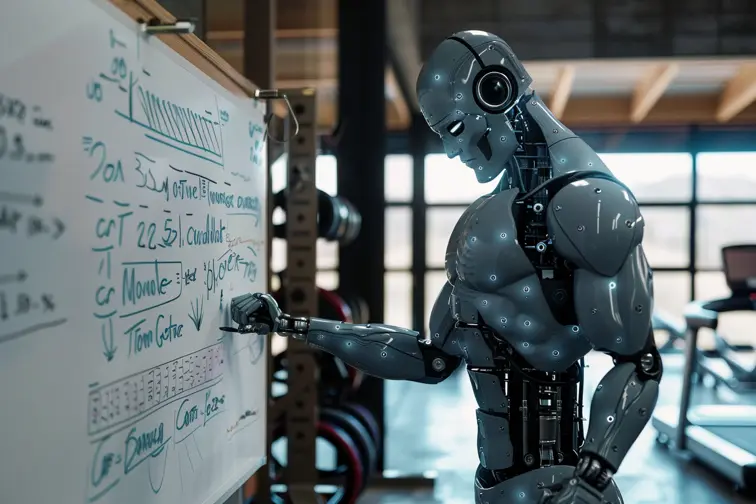
The workout below was created using my prompt template above back in 2024. ChatGPT’s models have changed since, so your plan will look a little different. Try it yourself!
4-Day Push/Pull/Legs Workout Plan for Muscle Mass and Cardiovascular Fitness
Overview
This advanced-level workout plan is designed to increase muscle mass and improve cardiovascular fitness over a 6-week period. Each session is 60 minutes long and includes a mix of strength training and cardio exercises. The plan consists of three main workouts (Push, Pull, Legs) with an additional day focusing on mixed cardio and core exercises.
Week 1-6 Schedule
-
Day 1: Push
-
Day 2: Pull
-
Day 3: Rest
-
Day 4: Legs
-
Day 5: Mixed Cardio/Core
-
Day 6: Rest
-
Day 7: Rest
Day 1: Push
Warm-Up (10 minutes)
-
Treadmill jog: 5 minutes
-
Dynamic stretches: Arm circles, leg swings, torso twists
Main Workout (45 minutes)
-
Barbell Bench Press
-
Sets: 4
-
Reps: 6-8
-
Rest: 90 seconds
-
-
Incline Dumbbell Press
-
Sets: 3
-
Reps: 8-10
-
Rest: 60 seconds
-
-
Overhead Shoulder Press (Barbell or Dumbbells)
-
Sets: 4
-
Reps: 6-8
-
Rest: 90 seconds
-
-
Side Lateral Raises
-
Sets: 3
-
Reps: 12-15
-
Rest: 60 seconds
-
-
Tricep Dips
-
Sets: 3
-
Reps: 10-12
-
Rest: 60 seconds
-
-
Cable Tricep Pushdown
-
Sets: 3
-
Reps: 12-15
-
Rest: 60 seconds
-
Cardio Finisher (5 minutes)
- High-Intensity Interval Training (HIIT) on the rowing machine: 30 seconds sprint, 30 seconds rest, repeat 5 times.
Day 2: Pull
Warm-Up (10 minutes)
-
Rowing machine: 5 minutes
-
Dynamic stretches: Arm swings, leg kicks, cat-cow stretch
Main Workout (45 minutes)
-
Deadlift
-
Sets: 4
-
Reps: 6-8
-
Rest: 90 seconds
-
-
Pull-Ups (Weighted if possible)
-
Sets: 4
-
Reps: 6-8
-
Rest: 90 seconds
-
-
Bent Over Barbell Rows
-
Sets: 4
-
Reps: 8-10
-
Rest: 90 seconds
-
-
Single-Arm Dumbbell Row
-
Sets: 3
-
Reps: 10-12
-
Rest: 60 seconds
-
-
Face Pulls
-
Sets: 3
-
Reps: 12-15
-
Rest: 60 seconds
-
-
Bicep Curls (Barbell or Dumbbells)
-
Sets: 3
-
Reps: 10-12
-
Rest: 60 seconds
-
Cardio Finisher (5 minutes)
- Battle ropes: 30 seconds on, 30 seconds off, repeat 5 times.
Day 3: Rest
Suggested Activity
- Light activity such as walking or gentle yoga for 20-30 minutes to promote recovery.
Day 4: Legs
Warm-Up (10 minutes)
-
Stationary bike: 5 minutes
-
Dynamic stretches: Leg swings, walking lunges, high knees
Main Workout (45 minutes)
-
Squats (Barbell Back Squat or Front Squat)
-
Sets: 4
-
Reps: 6-8
-
Rest: 90 seconds
-
-
Leg Press
-
Sets: 4
-
Reps: 8-10
-
Rest: 90 seconds
-
-
Romanian Deadlifts
-
Sets: 4
-
Reps: 8-10
-
Rest: 90 seconds
-
-
Lunges (Walking or Stationary)
-
Sets: 3
-
Reps: 10-12 (each leg)
-
Rest: 60 seconds
-
-
Leg Extensions
-
Sets: 3
-
Reps: 12-15
-
Rest: 60 seconds
-
-
Hamstring Curls
-
Sets: 3
-
Reps: 12-15
-
Rest: 60 seconds
-
Cardio Finisher (5 minutes)
- Stair Climber: 5 minutes at a high intensity.
Day 5: Mixed Cardio/Core
Warm-Up (10 minutes)
-
Jump rope: 5 minutes
-
Dynamic stretches: Torso twists, side bends, leg swings
Main Workout (45 minutes)
-
HIIT Circuit (Repeat 3 times, 1-minute rest between rounds)
-
Burpees: 1 minute
-
Kettlebell Swings: 1 minute
-
Jump Squats: 1 minute
-
Mountain Climbers: 1 minute
-
Rest: 1 minute
-
-
Core Circuit (Repeat 2 times, 1-minute rest between rounds)
-
Plank: 1 minute
-
Russian Twists: 1 minute
-
Hanging Leg Raises: 1 minute
-
Bicycle Crunches: 1 minute
-
Rest: 1 minute
-
Cool Down (5 minutes)
- Static stretching focusing on the core and lower body.
Day 6-7: Rest
Suggested Activity
- Light activity such as walking or gentle yoga for 20-30 minutes to promote recovery.
Notes:
-
Progressive Overload: Aim to gradually increase the weights used as strength improves.
-
Nutrition: Ensure a high-protein diet to support muscle growth and recovery.
-
Hydration: Stay well-hydrated, especially on training days.
-
Sleep: Aim for 7-9 hours of quality sleep per night to optimise recovery.
This workout plan provides a balanced approach to muscle growth and cardiovascular fitness, with a focus on compound movements and high-intensity cardio sessions. Ensure to listen to your body and adjust the plan as needed.
Further Prompts
Below is a list of other prompts you can copy and paste into ChatGPT or amend to suit your individual needs;
-
“Generate a 5-day muscle gain workout plan for an intermediate-level male, aged 25, weighing 80kg, with access to a full gym. Each session should be 60 minutes long, the plan should last for 6 weeks, and there are no injuries. Include rest times between sets and detailed exercise descriptions. Lay out each day in a table.”
-
“Develop a 4-day strength training plan for a 35-year-old female with knee injuries. The user is at an intermediate fitness level, weighs 65kg, and can train for 50 minutes per session with access to a home gym setup. The plan should last for 8 weeks. Include rest times between sets and detailed exercise descriptions. Lay out each day in a table.”
-
“Design a cardio-focused workout plan for a 40-year-old male who can train 3 days a week. He is at an advanced fitness level, weighs 85kg, has no injuries, and has access to a treadmill and a stationary bike. Each session should be 30 minutes long, and the plan should last for 4 weeks. Include rest times between sets and detailed exercise descriptions. Lay out each day in a table.”
-
“Create a 4-day push/pull/legs workout plan that incorporates high intensity interval training (HIIT) for someone looking to increase muscle mass and improve cardiovascular fitness. The user is a 28-year-old male, weighs 75kg, and has access to a full range of gym equipment. Each session should be 60 minutes long, and the plan should last for 6 weeks. Include rest times between sets and detailed exercise descriptions. Lay out each day in a table.”
-
“Generate a well-rounded fitness plan that includes both cardio and strength training for a 45-year-old female at a beginner fitness level. She wants to train 3 days a week for 40 minutes each session, focusing on full body workouts to build muscle and burn calories. The plan should last for 8 weeks. Include rest times between sets and detailed exercise descriptions. Lay out each day in a table.”
-
“Develop a 5-day workout routine that targets major muscle groups with a mix of body weight and free weights exercises. The user is a 35-year-old male, intermediate fitness level, aiming to lose weight and increase strength. He has access to a home gym setup. Each session should be 60 minutes long, and the plan should last for 6 weeks. Include rest times between sets and detailed exercise descriptions. Lay out each day in a table.”
-
“Design an intense exercise plan incorporating progressive overload principles for a 30-year-old female looking to enhance muscle growth and improve overall well-being. She wants to work out 5 days a week for 60 minutes per session, with access to bench press, dumbbells, and cardio equipment. The plan should last for 8 weeks. Include rest times between sets and detailed exercise descriptions. Lay out each day in a table.”
-
“Create a custom workout plan that includes sport-specific exercises for a 25-year-old male athlete. He wants to train 4 days a week, focusing on lower body strength and upper body conditioning, with sessions lasting 45 minutes each. The plan should last for 6 weeks. Include rest times between sets and detailed exercise descriptions. Lay out each day in a table.”
-
“Generate a fitness plan that includes active recovery and proper rest days for a 50-year-old female aiming for fat loss and muscle gain. She has a mix of gym equipment and prefers a mix of cardio activities and strength training exercises. Each session should be 45 minutes long, and the plan should last for 8 weeks. Include rest times between sets and detailed exercise descriptions. Lay out each day in a table.”
By providing specific information in your prompts, ChatGPT can generate a more tailored and effective workout plan that aligns with your fitness goals and constraints.
Progress Tracking and Adjustments
Tracking your progress is important for continued improvement. Here’s how to monitor and adjust your workout plan:
-
Track Progress: Record the weights used, reps completed, and any notes on difficulty for each exercise.
-
Incremental Adjustments: Gradually increase the weight or resistance used in your exercises to continue challenging your muscles (progressive overload).
-
Monitor Improvements: Regularly assess your strength and endurance gains to ensure you’re on track with your fitness goals. This can be enhanced by monitoring your body’s performance through AI wearables.
-
Ask for Adjustments: Paste your logged weights and reps back into the same chat each week and ask ChatGPT to adjust the next week’s plan.
-
Connect Your Data: If you’re in the US, ChatGPT’s Health tab can connect Apple Health from your iPhone, so it can look at your activity, sleep and workouts when you ask how your training is going.
Nutritional Guidance

Complementing your workout plan with proper nutrition is a must for achieving muscle gain and fat loss. Here’s a guide to meal planning:
Caloric Needs
- Determine TDEE: Use an online calculator to find your Total Daily Energy Expenditure (TDEE) and adjust based on your goals (e.g., caloric surplus for muscle gain, caloric deficit for fat loss).
Macronutrient Breakdown
-
40/30/30 Rule: A popular starting point is 40% carbohydrates, 30% protein, and 30% fats. It’s a gym rule of thumb rather than an official guideline, so adjust based on individual needs and preferences.
-
Protein: The International Society of Sports Nutrition says 1.4 to 2.0 g of protein per kg of body weight a day is enough for most people who exercise.
Sample Meal Plan
-
Breakfast: 3 scrambled eggs, 1 slice of whole-grain toast with peanut butter, 1 cup of spinach cooked in olive oil, 1 medium orange
-
Snack: 1 cup of Greek yogurt, 1/2 cup of mixed berries
-
Lunch: 4 oz grilled chicken breast, 1 cup of quinoa, 1.5 cups of mixed vegetables, 2 tbsp hummus
-
Snack: 1 small apple, 1 oz almonds
-
Dinner: 5 oz baked salmon, 1 medium baked sweet potato, 2 cups of mixed green salad with vinaigrette, 1/2 cup of brown rice
-
Snack: 1 cup cottage cheese, 1/4 cup pineapple chunks
Wrapping Up
Creating a push/pull/legs workout plan with ChatGPT is a modern approach to fitness planning, leveraging AI to provide diverse and tailored exercise routines.
While this tool offers flexibility and innovation, it’s important to use it alongside professional fitness advice for best results. Always consider your personal fitness level, goals, and any limitations you might have.
By combining ChatGPT’s capabilities with traditional fitness knowledge, you can craft a balanced and effective workout regimen that keeps you motivated and on track in your fitness journey. Remember, the key to success is consistency and listening to your body’s needs.